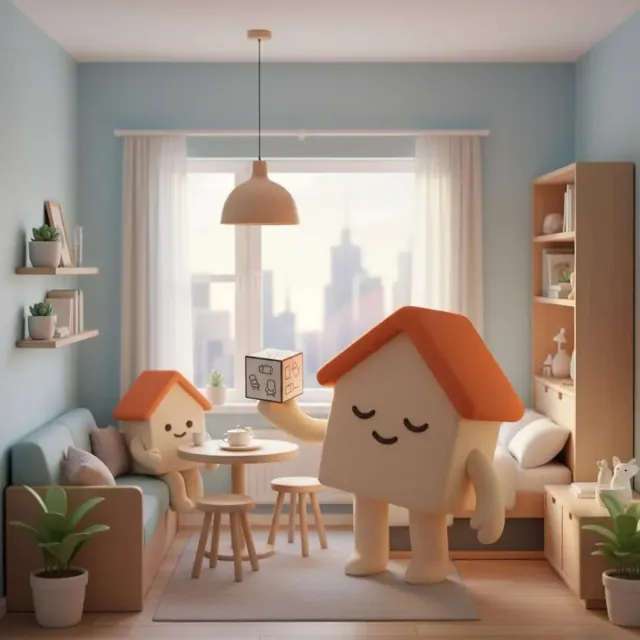
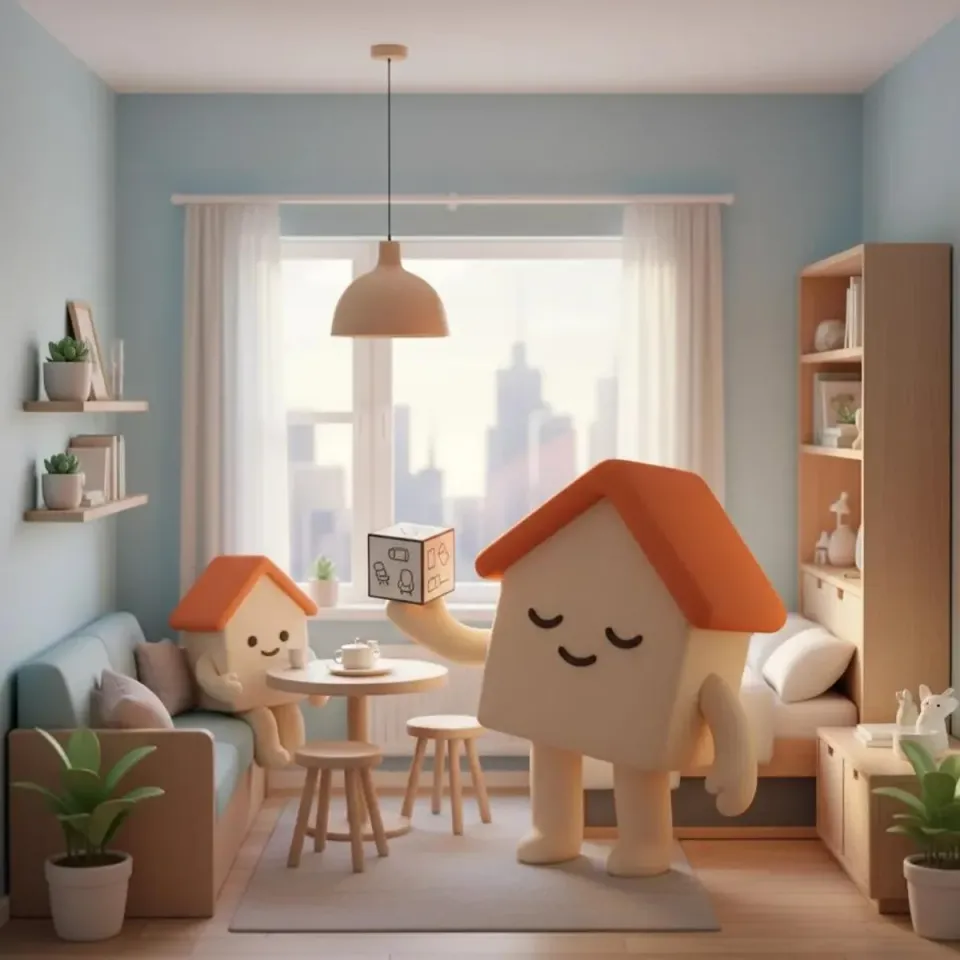
In Sweden's bustling major cities like Stockholm, Gothenburg, and Malmö, the housing shortage is becoming increasingly acute, while rental prices are skyrocketing. The answer? Micro-apartments – the biggest trend heading into 2026, with space efficiency at the center. These compact homes, often under 25 square meters, maximize every square meter through smart design and multifunctional solutions, offering a realistic housing option for young adults, students, and single households. With rising demand for sustainable and affordable alternatives, micro-apartments are changing the game on Sweden's rental market. At Bofrid, we efficiently match tenants and landlords across all of Sweden, so you can quickly find or rent out your micro-apartment. In this article, we dive deeper into what micro-apartments are, why they're exploding in popularity, their advantages and challenges, costs in major cities, and future prospects – everything you need to know to navigate this trend as an expat in Sweden.
What Are Micro-Apartments?
Micro-apartments are small, space-efficient homes under 30 sqm with smart design that optimizes every square meter. They've become a trend in Sweden's major cities due to the housing shortage and rising prices. Historically, they were inspired by global models from Tokyo and New York, where micro-homes have been common for decades. In Sweden, they were introduced around the 2010s, driven by Boverket (Sweden's National Board of Housing, Building and Planning) recommendations on minimum sizes and space efficiency to address urbanization challenges.
Definition and Size
Micro-apartments typically measure between 15 and 30 sqm. According to Boverket's building regulations (BBR), a home for one person should have at least 25 sqm of usable floor area to be approved, but smaller areas are possible with innovative solutions like high ceilings and multifunctional furniture. Minimum requirements focus on light ingress, ventilation, and accessibility rather than strict size.
Examples from Sweden's Major Cities
Sweden's major cities are leading the development:
- Stockholm: The "Serafen" project near Södermalm offers micro-apartments from 20 sqm with smart floor plans.
- Gothenburg: In Masthuggskajen, Oscar Properties has built micro-units around 25 sqm in tall buildings with views.
- Malmö: "Fullriggaren" in Västra Hamnen includes apartments of 18-28 sqm, perfect for single households.
These projects show how micro-apartments are integrated into existing urban developments in Sweden.
Difference from Studio and One-Bedroom
- Studio: Open floor plan without walls between kitchen and sleeping area, often synonymous with micro-apartment under 25 sqm.
- One-bedroom (1 rok): Has a separate bedroom, usually 30-45 sqm, with clearer zones for rest and cooking.
Micro-apartments stand out through extreme space efficiency, where beds fold up and storage is hidden in walls.
Why Have Micro-Apartments Become a Trend in 2026?
Micro-apartments have exploded in popularity due to several intertwined drivers. The housing shortage in major cities, accelerating urbanization, and economic pressures like rising prices are fueling demand for space-efficient housing solutions. According to Statistics Sweden (SCB) forecasts, the number of households in Sweden is expected to increase by 1.5 million by 2030, many in major cities like Stockholm, Gothenburg, and Malmö. The pandemic reinforced the trend by shifting focus from large spaces to central, flexible homes with lower maintenance costs. Sustainability requirements amplify this, as micro-apartments reduce energy consumption per person.
Housing Shortage in Major Cities
The housing shortage is acute in Sweden's major cities. In Stockholm, average waiting times for rental apartments exceed 10 years, according to SCB data from 2023, and square meter prices have risen 20% over the past five years. Forecasts for 2026 indicate continued scarcity, with a shortfall of tens of thousands of apartments in Gothenburg and Malmö. Micro-apartments offer a quick solution to meet demand without requiring large land areas.
Demographic Shifts
Demographics are shifting rapidly toward more young single households. SCB reports that the share of single-person households under 35 has increased by 15% since 2015, driven by urban migration from rural areas. These groups prioritize location over space and seek affordable options in city centers. The pandemic's effects have also increased flexibility – many young people choose temporary micro-apartments for job-related mobility.
Sustainability Aspects
Micro-apartments excel in sustainability with lower energy consumption. A typical micro-apartment of 20–30 sqm uses up to 40% less energy than traditional apartments, according to Boverket analyses. Space-efficient design reduces material use and waste. By 2026, EU green directives will reward such solutions, making them attractive for both tenants and landlords in Sweden.
How Does Space Efficiency Work in Micro-Apartments?
Space efficiency in micro-apartments is about maximizing every square meter through smart design. Multifunctional furniture like beds that fold into walls and tables that double as workspaces are central. Through smart planning, an illusion of space is created with light colors, mirrors, and vertical storage.
For landlords, it's wise to invest in such solutions to attract young tenants in major cities. Practical tips include modular kitchens and bathrooms adapted for small spaces. With Bofrid, renting out micro-apartments is easy – the platform matches landlords with interested tenants across Sweden, quickly and securely.
Smart Furniture Choices and Storage
Platsbesparande möbler är nyckeln till trivsel i mikrolägenheter.
- Choose wall-mounted shelves and pull-out beds to free up floor space.
- Foldable tables and chairs that attach to the wall save space during the day.
- Built-in storage under beds or in stairs effectively utilizes hidden areas.
These choices increase both functionality and appeal for tenants.
Planning Tips for Architects
Efficient layouts maximize space in micro-apartments.
- Use open floor plans with zoning via screens or rugs.
- Build vertically with tall cabinets and loft access for sleeping areas.
- Place windows centrally for natural light that makes the room feel larger.
For example, a 20 sqm apartment with a kitchen zone and bathroom behind sliding doors.
Technology Integration
IoT and apps enhance efficiency in micro-apartments.
- Smart lighting systems adjusted via app for optimal ambiance.
- IoT-controlled appliances like compact refrigerators with energy savings.
- Apps for virtual planning help tenants test furniture arrangements.
Technology reduces stress and improves living quality, making units highly sought after on the Swedish market.
What Advantages Do Micro-Apartments Offer for Tenants and Landlords?
Micro-apartments are revolutionizing Sweden's housing market with lower rents for tenants and higher returns for landlords. These compact homes, often 20–30 sqm, meet demand in prime locations in major cities. Let's break down the benefits.
For Tenants
Lower costs are one of the biggest advantages of micro-apartments. A typical rent is 5,000–8,000 SEK/month in central Stockholm, compared to 12,000 SEK for larger apartments.
- Central location: Close to work, public transport, and amenities – perfect for young adults and students.
- Mobility: Easy to rent short-term, ideal for career changes or studies.
Case study: A student in Gothenburg found a micro-apartment for 6,000 SEK/month via Bofrid, saving her 4,000 SEK compared to a one-bedroom.
For Landlords
Micro-apartments provide higher occupancy and better economics. They attract more applicants, reducing vacancies.
- Higher returns: Rental per sqm is more profitable, up to 15–20% higher yield.
- Lower maintenance: Less area means fewer repairs and lower operating costs.
Case study: A landlord in Malmö converted to micro-apartments and increased occupancy from 85% to 98%, with 25% higher monthly income.
Bofrid's Role in Matching
Bofrid simplifies matching between tenants and landlords for micro-apartments. The platform covers all of Sweden and offers fast, easy searching.
With smart filtering, you find available units in minutes. As a landlord, post for free and get qualified leads immediately. Bofrid handles viewings and contracts digitally for a smooth process.
How Much Do Micro-Apartments Cost in Sweden's Major Cities?
Micro-apartments are growing in popularity in Sweden's major cities due to their space efficiency and lower costs. According to data from Booli and Svensk Fastighetsförmedling, average rents for micro-apartments (20-30 sqm) are 10,000–15,000 SEK/month in Stockholm, while purchase prices often reach 3–5 million SEK. Compared to larger apartments (60+ sqm), rent is 30–50% lower and purchase price up to twice as cheap, with 2026 forecasts showing a 5–10% price increase due to rising demand.
Rent vs. Buy in Stockholm
In Stockholm, rent for micro-apartments averages 12,500 SEK/month (Booli, 2024), while purchase price is around 4.2 million SEK. Larger apartments cost twice as much in rent (about 25,000 SEK) and purchase (8–10 million). The trend points to rising rents by 7% by 2026, but micro-apartments remain the most affordable for young singles.
- Rent: Quick move-in, no amortization.
- Buy: Long-term value growth, but higher upfront cost.
Prices in Gothenburg and Malmö
In Gothenburg, rent for micro-apartments is 9,000–11,000 SEK/month and purchase price around 2.5–3.5 million SEK. Malmö is cheaper: rent 8,000–10,000 SEK and purchase 2–3 million. Regionally, prices are 20–30% lower than Stockholm, with a forecast of 4–6% increase by 2026. Larger apartments here are 40% relatively more expensive.
Long-Term Cost Savings
ROI calculations show micro-apartments offer better returns: a 3 million SEK investment in Stockholm can yield 4–6% annual value growth, vs. 3% for larger units. Long-term, you save on lower operating and energy costs (20% less).
Via Bofrid, you can easily budget – match tenant and landlord across Sweden. Tips:
- Budget 1–2% of value for monthly operations.
- Use our platform to find micro-apartments under budget and forecast costs.
What Challenges Come with Micro-Apartments and How to Overcome Them?
Micro-apartments attract with their space efficiency, but they come with challenges like psychological barriers, strict regulations from Boverket, and potential neighbor complaints. These can be managed through smart planning, proper tenant matching, and creative solutions. Platforms like Bofrid make it easier to find tenants who thrive in small spaces and reduce conflicts.
Legal and Building Standards
Boverket guidelines govern minimum area, ventilation, and fire safety for micro-apartments. For example, they require at least 25 square meters for an adult, but exceptions exist for student housing. Overcome by:
- Consulting building permit experts early.
- Choosing energy-efficient solutions that meet ventilation requirements.
- Documenting everything to avoid inspection issues.
Comfort and Psychology
Psychological barriers like claustrophobia arise in cramped spaces, and neighbor complaints about noise are common. Create a home feel with:
- Multifunctional furniture like bed/sofa combos and wall-mounted shelves.
- Light colors and mirrors for space.
- Personalization with textiles and plants. Choose quiet tenants via careful matching to reduce complaints.
Marketing via Platforms like Bofrid
Effective renting of micro-apartments requires the right platform. Bofrid matches landlords with tenants seeking small, central homes across Sweden. Strategies:
- Emphasize location, lower rent, and modern design in ads.
- Use Bofrid's filtering for lifestyle-compatible tenants.
- Follow up with satisfaction surveys for long-term relationships.
This significantly boosts comfort and occupancy rates.
What Is the Future for Micro-Apartments in Sweden?
The future for micro-apartments in Sweden looks bright. Growth is driven by political incentives, technological innovations, and demographic changes like more single households in major cities. The government's goal of at least 260,000 new homes by 2030 creates fertile ground for space-efficient solutions.
Political Incentives
The government actively supports building micro-apartments through housing policy. Boverket's goals emphasize the need for more small homes to meet demand in dense cities like Stockholm and Gothenburg. Tax relief and simplified building rules for space-efficient buildings encourage landlords to invest in this trend.
Technological Innovations
Future micro-apartments are built with smart tech. Modular construction reduces costs and time, while IoT solutions optimize space with multifunctional furniture and energy-efficient systems.
- Smart home tech for lighting and climate.
- Sustainable materials that save space and energy. These innovations make micro-apartments attractive and affordable.
Forecasts to 2030
By 2030, the number of micro-apartments is expected to increase by 50% in major cities, according to industry forecasts. Demographics with more young singles drive demand, while urbanization reinforces the trend. Overall, they could account for 20% of new construction.
Bofrid is perfectly positioned in this trend. As a platform matching tenants and landlords across Sweden, we help you quickly find or rent out micro-apartments – easily and efficiently.
Common Questions About Micro-Apartments
What is the smallest allowed size for a micro-apartment?
According to Boverket's building regulations (BBR), every home must have at least one room of 10 square meters with a clear ceiling height of at least 2.4 meters. Micro-apartments under 15–20 square meters are uncommon but possible if they meet ventilation, light, and accessibility requirements. Always check local building standards.
Are micro-apartments legal in Sweden?
Yes, micro-apartments are fully legal as long as they comply with Boverket's rules and municipal planning provisions. They require approved building permits and must meet requirements for energy efficiency, fire safety, and accessibility. Many municipalities in major cities promote them to address the housing shortage.
How do I find a micro-apartment quickly?
Use Bofrid to quickly match with available micro-apartments across Sweden. The platform efficiently connects tenants and landlords – search, filter, and contact directly. As a tenant, find homes in no time without hassle.
Are micro-apartments suitable for families?
Micro-apartments are mainly suitable for singles, young adults, or couples without children, due to the small space often under 30 sqm. They're space-efficient for city life but lack room for larger families. Consider larger apartments via Bofrid if you have kids.
What does it cost to build a micro-apartment?
Building cost for a micro-apartment of 20–30 sqm is around 1.5–3 million SEK, depending on location, materials, and standard. Efficient modular builds can reduce the price by 20–30%. Include land costs and utility connections in calculations.
Will micro-apartments get cheaper in 2026?
Forecasts indicate lower rents for micro-apartments in 2026 due to increased construction volume and energy-efficient solutions. The housing shortage eases in major cities, and competition drives prices down by 5–10%. Keep track of the market via Bofrid for the best deals.